
Brushing Pets' Teeth – The challenge in Preventive Dental Care
Why is brushing pet's teeth so difficult for the clients, and what can you do to make it easier? Let's look at the roadblocks and solutions.
Maggie Burley, VTS (Dentistry), Clinic Support & Education, iM3 Australia | May 2025
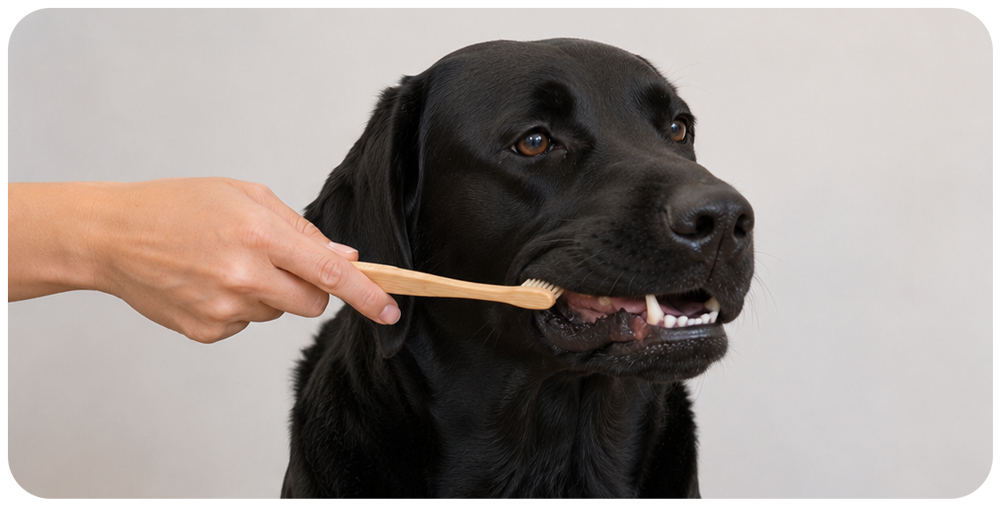
Improving client acceptance and compliance with recommendations to brush their pet’s teeth is a challenge faced by many general practitioners, veterinary nurses and support staff across the board. Why is it so difficult and what are the roadblocks to the successful implementation of the gold standard in homecare? Let’s look at the difficulties and some useful solutions to pass on to your clients.

Lived Experience
Let’s be honest – how many vets or nurses are brushing their own pet’s teeth? Probably the same % as our clients! Let’s look at this from the pet owner’s perspective, because in essence that’s what we are in our own homes with our own pets. We have the same issues as your clients
1. Lack of Time
Firstly there is making time for this daily activity with our pets in our busy schedules. It is misconceived that toothbrushing takes a long time – in fact, less than a couple of minutes is all that is needed. The solution is to make it part of your daily routine – link it to something you do with your pet every day – it could be part of a meal time, or on the return from your daily walk.
2. Pet acceptance
This is a common one! ‘My pet doesn’t like it’ – and that can be a feasible reason for not choosing toothbrushing. However, introducing brushing needs to be done slowly, at the pace that the pet is comfortable with and always with positive reinforcement. Often times, the success of introducing brushing can be diminished when rushing the pet – remember they don’t know what the expectation is, so slowly wins the race!
3. Appropriateness
Now here is an interesting aspect – is it appropriate for my pet? Again, a valid statement. If the act of brushing is a painful experience for the animal they are less likely to be compliant. A thorough oral exam should be performed prior to instigating a homecare plan of any type to ensure it is appropriate for the pet and client.
4. The Toothbrush
The design of the toothbrush can play a role in difficulties introducing brushing. If the bristles are too hard or the head too large – this can make it an uncomfortable experience for the pet, increasing the difficulty for the owner.
iM3 Bamboo Toothbrush
100% biodegradable, organic bamboo toothbrush specifically designed for use in pets. The handle and bristles have been designed to reach all tooth surfaces whilst giving the user an ergonomic and safe grip without being large and bulky in the mouth.
Successfully Introducing Toothbrushing to Clients
So how do we successfully introduce toothbrushing to our clients? Well, firstly I would suggest start by brushing your own pet’s teeth to experience the difficulties the client is going to experience. This then will lead to the discovery of solutions that you can offer your client as well as empathising with your client the challenge you are setting them up for.
Nurse Utilization
Be prepared for multiple consultations with your client and their pet – enlist your nursing team – if your clinic is offering free nurse dental consultations incorporate lessons in toothbrushing as part of your nurse consultations. When we devote time to support and educate the client the outcome will be far more successful.
A regular regime of ‘toothbrush training’ consultations improves the successful introduction of toothbrushing – initially fortnightly visits, then monthly, then quarterly to ensure the motivation continues. This also keeps your clients engaged with dental health and you are able to intervene at an early stage of disease development to return the mouth to healthy state for the client to continue their maintenance of oral health. When you have a client devoted to toothbrushing, they are also devoted to the ongoing health of their pet, and this means regular cleanings in your clinic!
Dentistry is about Saving Teeth!
It has long been documented that toothbrushing in conjunction with regular professional dental cleanings can maintain a healthy periodontium, daily toothbrushing should be recommended to every pet owner, and a proper education plan provided by our teams.
